 Deutsch
  English
  Čeština
  Nederlands
  Français
  Español
  Italiano
Binding systems
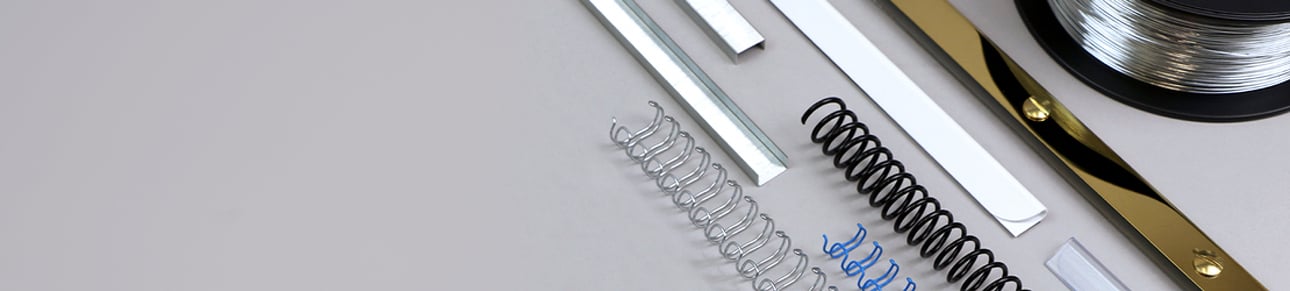
Binding systems – What types of binding are there?
Adjustable binding systems
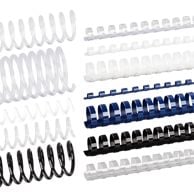
A commonly used type of binding system is plastic binding, which offers a small but significant advantage over many other types of binding. Documents bound using suitable plastic binding machines can be added to with new documents at any time after production, making them extremely versatile in use. Just like metal spirals, the plastic spirals used here are very robust and designed for frequent use.
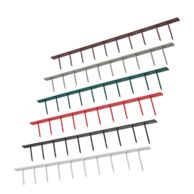
This binding system is typically used for all types of documents that are constantly being expanded, such as academic papers and lecture notes, collections of recipes or photo albums that require an attractive appearance. There are no limits to the colour options available when designing these. Another particularly practical feature is that the high flexibility of the binding system allows for additions via plastic sleeves, should you not have time to organise a large number of new, loose documents properly straight away. The range of accessories is rounded off by filing strips, which enable straightforward archiving in a folder. A fundamental decision that must be made when purchasing the binding combs is the choice of shape, with the oval version allowing a greater number of sheets to be held.
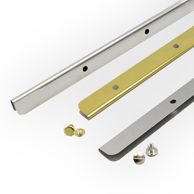
Clamp binding, on the other hand, is downright minimalist, as it requires no additional tools apart from clamp rails. This also eliminates the need for punching holes and other steps involved in other binding methods. Consequently, this binding system is particularly advantageous for quick and frequently changing bindings where the content remains current for only a limited time, such as menus or seasonal promotional materials. For maximum ease of use, SPRINTIS’s self-adhesive clamping rails are a real insider tip.
Permanent binding systems
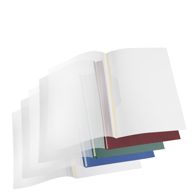
One of the most popular binding systems is undoubtedly thermal binding, which, using our Optibind thermal binding machine, a thermal binding folder and special adhesive, offers professional bindings for a wide range of purposes with minimal effort. As well as the system’s quick and straightforward operation, the binding produces a neat and stylish end product that can be customised as required by choosing the appropriate folder. All folders feature a transparent cover sheet and are supplied with a spine board of your choice, which provides stability. Whether for degree theses, information leaflets, catalogues or much more, this binding system is the ideal choice.
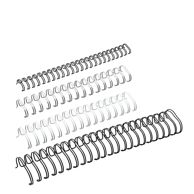
Another tried-and-tested method iswire-o binding. Both durable and cost-effective, this binding method is particularly common for calendars, notepads, presentations and reports. A major advantage for the reader is the ability to flip the bound documents through 360 degrees, whether for easier handling or to save space on the desk. The robust metal spirals are a component that is as reliable as it is stylish, remaining intact even with frequent use.
At SPRINTIS, you’ll find a wide selection of matching wire-spiral bindings in many different colours and sizes, giving you complete freedom to customise your binding. It is important to note that the choice of pitch – and thus the number of rings used – determines the maximum thickness of the paper and also affects the stability of the binding. As for the format, you also have the freedom to choose between pre-made binding spines for standard formats and the spool-fed version for custom lengths and large orders. There are therefore no limits to your creativity when designing your binding.
One binding system that stands out for its cost-effective process is staple binding. This uses metal staples to hold the pages of the document together and can be carried out both manually and automatically. It is used for a small number of pages and is notable for its simplicity of implementation. Whether staples, applied using a suitable hand stapler or a stapling machine, or staple wire on a spool, processed fully automatically into staples in collating staplers: at SPRINTIS, the value for money is unbeatable. This method is frequently used for workbooks and instruction manuals, as well as for magazines and catalogues.
Binding systems with anti-counterfeiting protection
Comb binding, on the other hand, differs significantly from the binding systems mentioned above, right from the manufacturing stage. Once the paper has been perforated, a plastic comb is pushed through the perforations and then heat-sealed. SPRINTIS stocks high-quality SureBind combs for this purpose to ensure the binding is carried out to the highest standard. The result is a strong, durable binding that is used as standard in all sectors handling sensitive data, such as accounting for balance sheets and annual accounts, or in contract management in general. Visually very appealing, this type of binding is also popular in other areas, such as for brochures. As with all types of binding systems, you can also find practical filing strips for this in the SPRINTIS Shop.
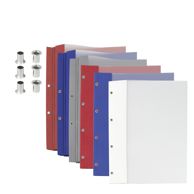
Eyelet binding is also permanent once the process is complete. This binding system therefore also meets an important criterion for documents such as annual accounts, annual reports, archive files and more. In this process, metal rings are punched into the document after the paper has been perforated; their shape prevents individual pages from being removed without damaging the document. This requires the use of an eyelet tool, which is available as a combi-puncher in the SPRINTIS online shop and covers both steps – punching and eyelet insertion – in one go. To ensure that nothing slips out of place during binding, the combi-puncher is fitted with a centring system as standard. For a neater appearance and protection against dirt and moisture, we recommend using a suitable folder, as with all documents. You will therefore find special eyelet folders in various colours in our range.
Choosing the right binding system
A crucial question to answer at the outset is whether the documents are likely to change once the binding process is complete. If you want to play it safe here, the two binding systems mentioned last are your best bet. However, provided you are not working with sensitive data, another important factor is value for money. Among other things, you need to consider the volume of documents that need to be bound on a regular basis, as each binding type is designed for different paper thicknesses.
Depending on the type of binding system, you will also need to purchase a suitable binding machine and other accessories. However, the significant time savings and the fact that it makes the work much easier undoubtedly outweigh this investment. Ultimately, a clear recommendation depends on each individual’s intended use or requirements. To find the best solution for you, SPRINTIS’s customer service team is always on hand to answer your questions and offer advice!
(This text has been machine translated.)