 Deutsch
  English
  Čeština
  Nederlands
  Français
  Español
  Italiano
Thermal binding
Thermal binding is a binding process in which sheets of paper are bonded together using a special adhesive under high pressure and heat. A professionally produced thermal-bound book is both sturdy and flexible. The pages are firmly joined together, yet flexible enough to be opened and viewed comfortably. If you are looking for an unobtrusive and user-friendly binding for your documents, softcover adhesive binding is ideal. It is suitable for dissertations, information leaflets, photo books, training materials, catalogues and much more. In the SPRINTIS range, you will find the right thermal binding machine and thermal binding folders for the job.
(This text has been machine translated.)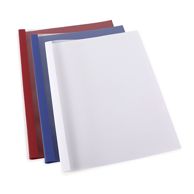
Products in Thermal binding












Thermal binding process
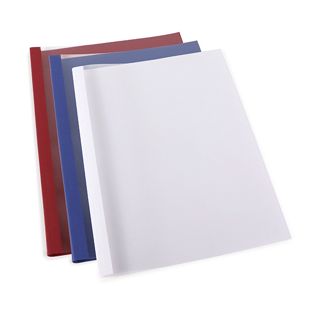
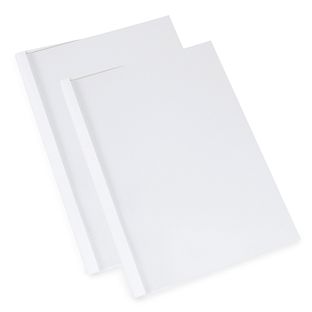
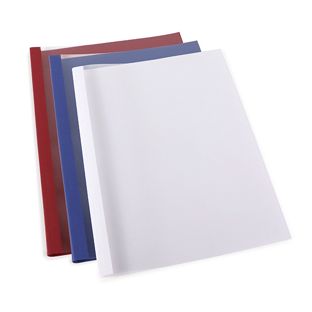
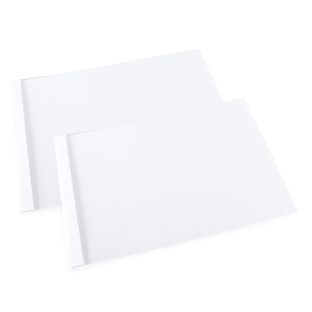
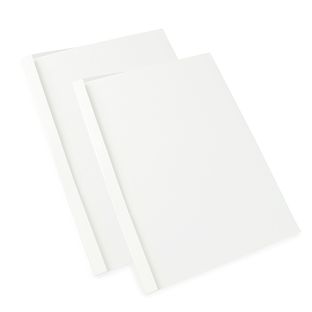
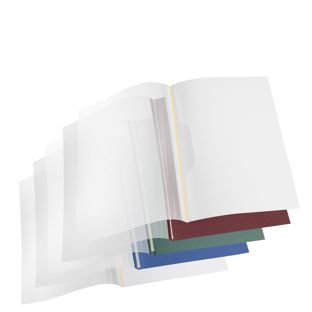
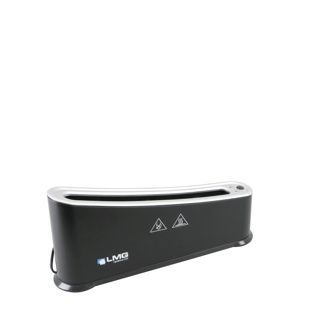
In thermal binding, the sheets of paper to be bound are placed into a thermal binding folder. This consists of a transparent film cover, a thick-walled back ( e.g. made of cardboard) and a thermal binding spine coated with adhesive. To create the binding, the thermal binding folder, together with the paper, is inserted into the thermal binding machine. This generates high temperatures, thereby activating the adhesive and permanently fusing the pages together. After a short drying time, the bound product is ready and can be used immediately. The thermal binding process is straightforward and , with the right equipment, can be carried out quickly and neatly .
Advantages of thermal binding
Thermal binding is extremely versatile: with thermal binding spines, you can bind slim booklets as well as brochures running to a hundred pages. The special adhesive holds all the pages firmly together and can withstand even heavy use. The cover and the sturdy back panel of thermal-bound folders provide additional stability without compromising on user-friendliness: brochures produced using adhesive binding open easily and are easy to read – even when they are used and leafed through frequently. Adhesive binding with a transparent film also has the advantage that the document’s cover remains clearly visible, arousing anticipation of the content. Due to its user-friendliness, adhesive binding is particularly suitable for documents that are frequently used by readers (e.g. catalogues, information material, training documents).
Thermal binding at SPRINTIS
At SPRINTIS, you’ll find all the materials you need to produce a professional adhesive-bound or glue-bound document. Our A4 thermal binding folderscan be used for bindings in portrait and landscape formats. To help you customise your brochure, SPRINTIS offers a range of materials and colours. This allows you to match the appearance of your documents to their content. The back cover of our thermal binding folders is available in a choice of cardboard, leather-effect cardboard, linen-effect cardboard or high-gloss cardboard. The following colour options are available:
- blue
- dark blue
- olive
- red
- white
When choosing the perfect thermal-bound folder, you should also pay attention to the capacity. The capacity determines the maximum number of pages that can be bound. The greater the capacity, the more sheets can be bound together. SPRINTIS offers its thermal binding folders with capacity heights ranging from 1.5 mm to 8 mm. Our Optibind binding machine can bind up to 250 sheets. For archiving your documents, SPRINTIS offers practical filing devices or binding folders with filing tabs.
(This text has been machine translated.)